
Animations by Ron Lyons, Written by Daniel Mariotti, Photographs and Video by Daniel Mariotti
When it comes to metal casting, two primary methods are widely used in bronze foundries: sand casting and investment casting (lost wax method). Each technique has its strengths and is suited for different types of sculptures and metalwork. Here, we’ll break down these processes, their pros and cons, and how to determine which method is best for your project.
Sand Casting: A Traditional and Cost-Effective Method
The Sand Casting Process
Creating the Mold – The process begins with making the “cope,” or the top half of the mold. A pattern is placed inside a molding box (called a flask), and sand is packed around it to create the mold. Our foundry uses a two-part resin mixed with sand through an industrial auger, ensuring the mold holds its shape.
Pattern Removal – Once the resin-bonded sand hardens, the mold is separated from the pattern and flipped for additional finishing.
Talc Powder Application – A fine layer of talc powder is applied as a release agent to prevent sticking.
Mold Assembly – Both halves of the sand mold are assembled, and a pouring cup—also made from sand—is attached for the molten bronze to be poured.
Metal Pouring – Once the mold is prepared, molten bronze is poured into the cavity to create the final metal piece.
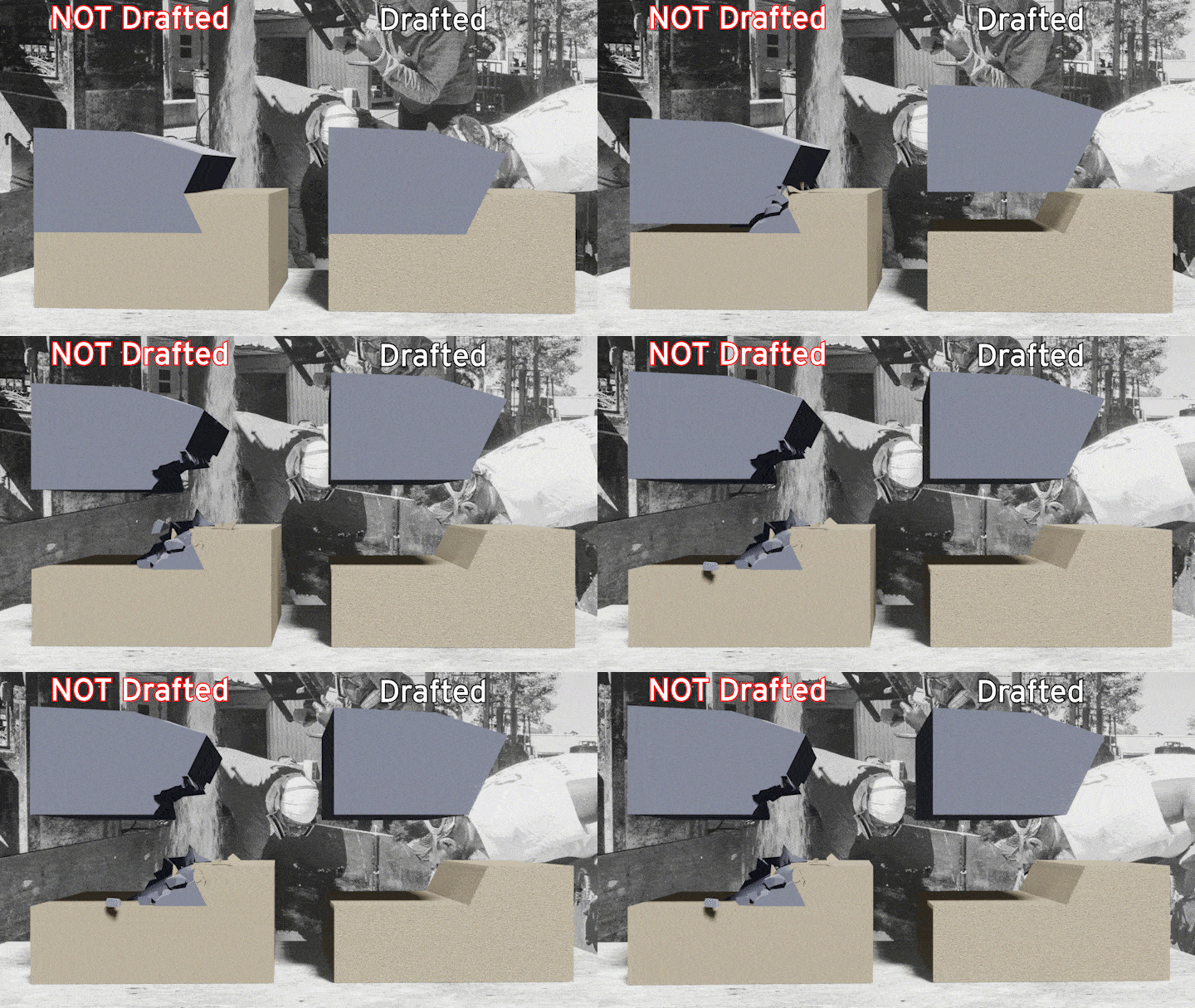
To ensure a clean release and reduce defects, the mold must be properly “drafted.” Drafting refers to adding a slight taper to vertical surfaces, allowing the pattern to be removed from the mold without damaging its edges. Proper draft angles improve quality and reduce production errors.
PROS:
- More cost-effective than investment casting
- Ideal for large-scale sculptures and simple designs
- Shorter lead times, making it a quicker process
CONS:
- Molds cannot be reused, meaning new patterns must be made for each casting
- Shorter pattern lifespan due to sand abrasion
- Less suitable for intricate designs
- Results in a rougher surface finish compared to investment casting
- Higher chance of defects
- Lower dimensional accuracy
Investment Casting: Precision and Fine Detail for Bronze Sculptures
Investment casting, also known as lost wax casting, is a preferred method for detailed and intricate bronze sculptures. This method allows for high-precision metal casting with superior surface quality.
The Investment Casting Process
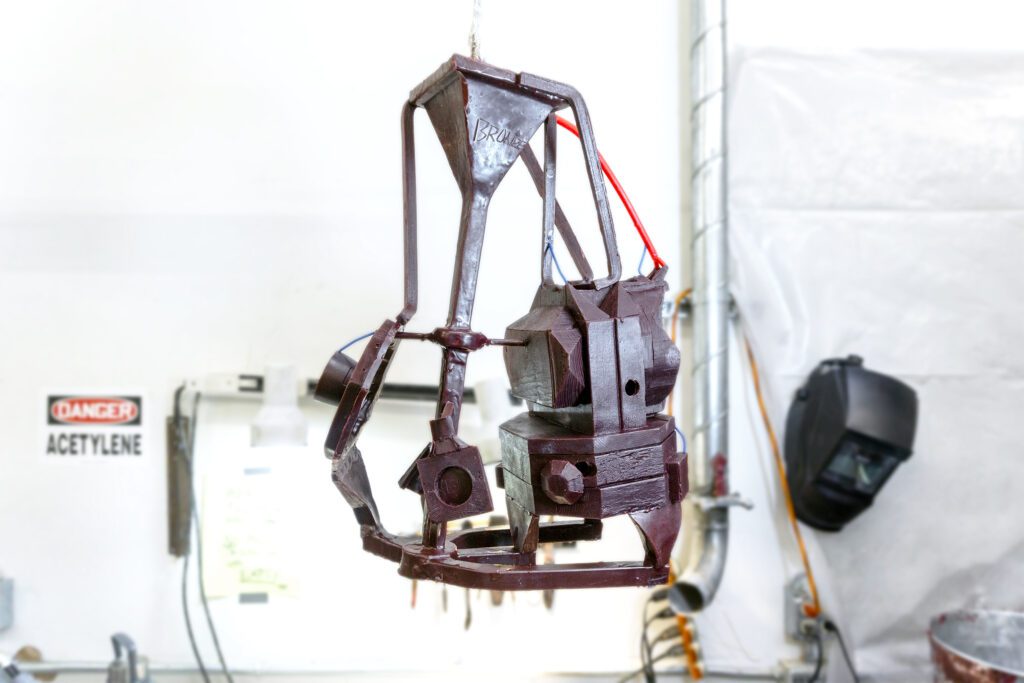
Wax Pattern Creation – Wax patterns are made from molds, which form the basis of the final metal piece.
Tree Assembly – These patterns are attached to a sprue system (a metal delivery network), creating a “tree” structure that channels molten bronze through the design.
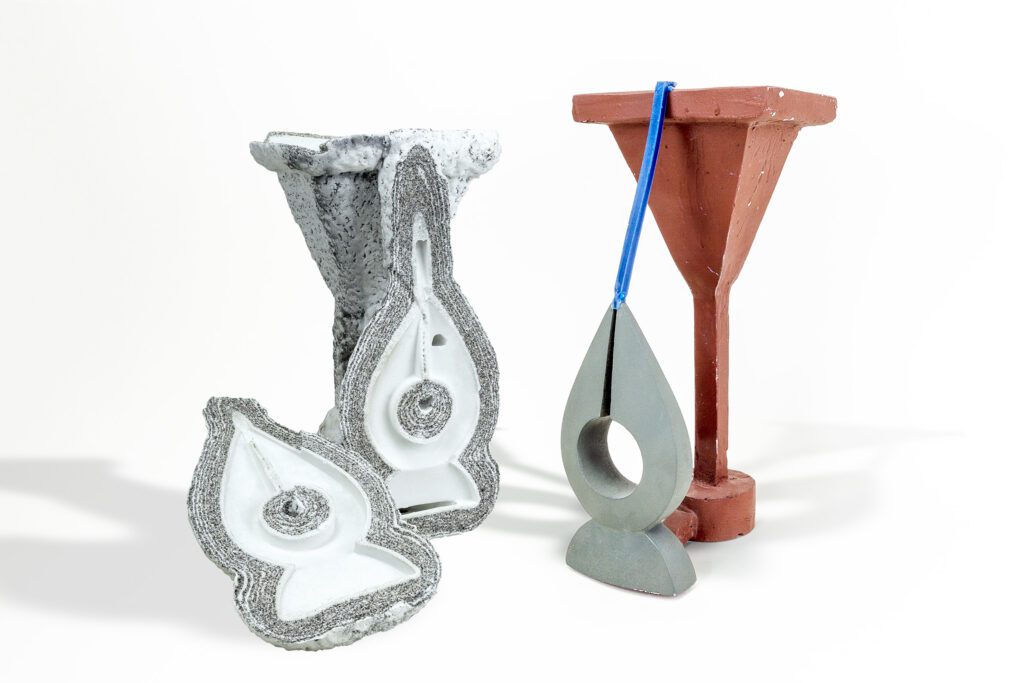
Ceramic Shell Formation – The wax tree is coated in a slurry mixture, forming a ceramic shell. Each layer of slurry is reinforced with fine sand for added strength.
Shell Hardening & Wax Removal – Once the shell is built up, it is fired in a furnace, both hardening the ceramic and burning out the wax, leaving a precise cavity.
Metal Pouring – Finally, the ceramic mold is preheated and embedded in sand before molten bronze is poured in, capturing every intricate detail.
PROS:
- Captures intricate details and complex designs
- Can produce multiple sculptures from a single mold
- Offers greater dimensional accuracy than sand casting
- More efficient use of metal
CONS:
- More expensive due to materials and labor
- Longer production times compared to sand casting
- Size limitations—large pieces may need to be cast in multiple sections
WHEN TO CHOOSE SAND OR INVESTMENT
If your project requires intricate details, smooth surfaces, and high precision—such as a finely sculpted bronze statue or a small, intricate relief panel—then investment is the best choice.
However, if you need to produce large, simple designs—such as a textured bronze tabletop or structural elements—sand casting is the more practical and cost-effective method.
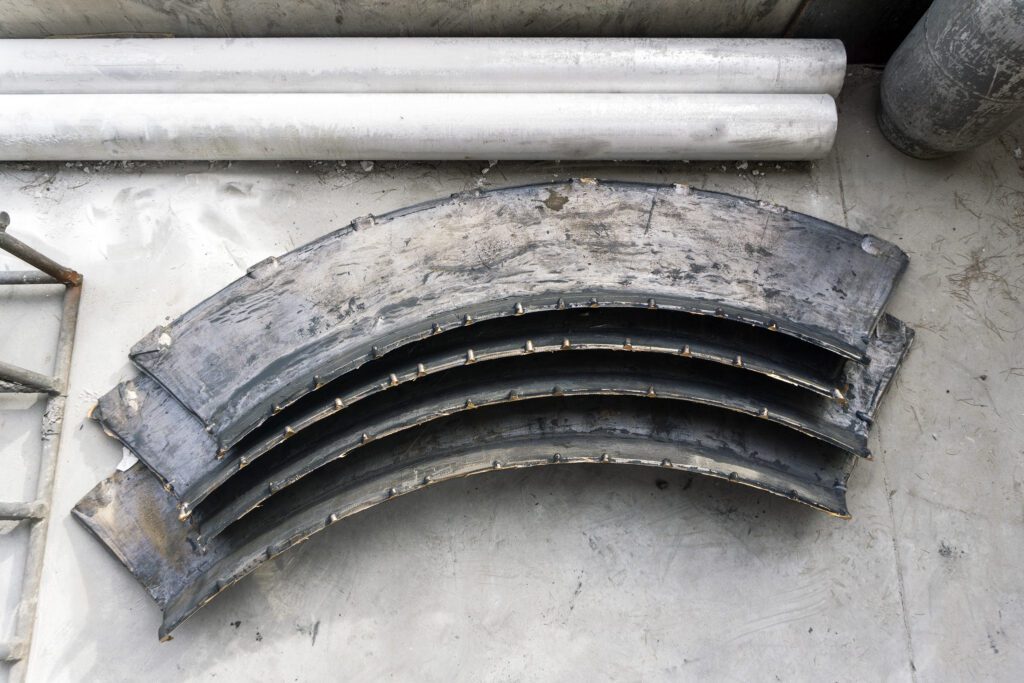
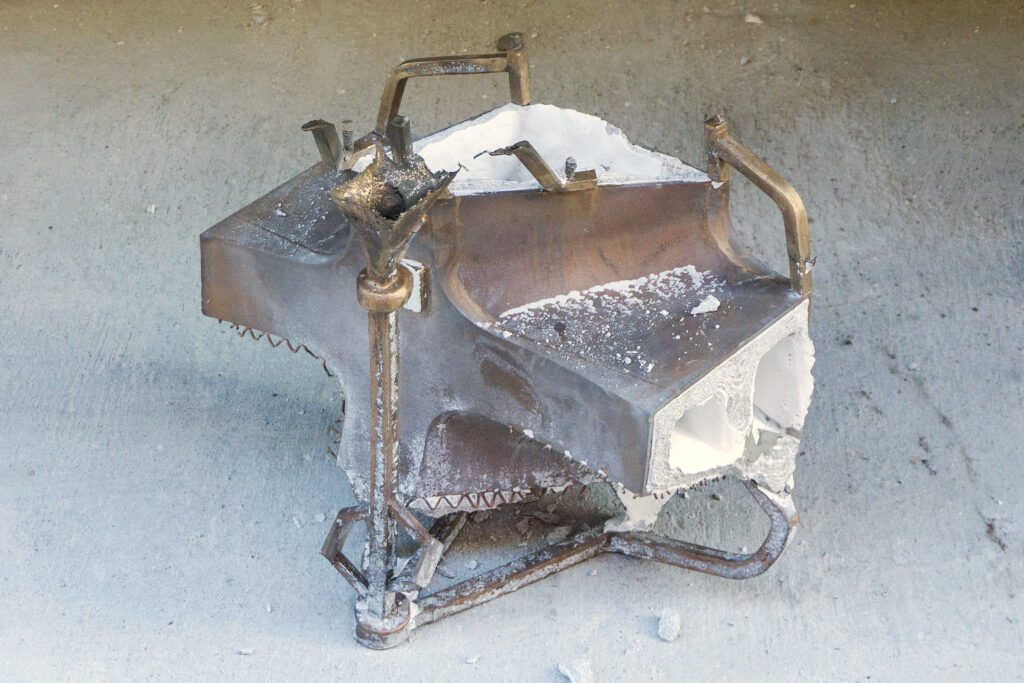
*Keep in mind that this is made for the lost wax casting process and our type of work specifically.
For artists, sculptors, and designers working with bronze, understanding these techniques helps in selecting the best process for achieving the desired outcome. Whether you’re creating custom bronze sculptures, architectural elements, or decorative metalwork, choosing the right casting method ensures both durability and artistic integrity.
Need expert guidance? Our bronze atelier specializes in both sand and investment casting, offering custom solutions for sculptors, designers, and fabricators. Contact us today to bring your vision to life!
Start The Process
Get a Quote